
Grease Cleaning Pros offers reliable grease trap cleaning & pumping for use by restaurants, professional kitchens, and food-service businesses that require routine, regulation-friendly servicing. Our technicians helps prevent fats, oils, and food waste from solidifying and damaging plumbing or the public sewer network.
Discover More About Grease Trap Cleaning

More Information About Grease Trap Pumping

Website About Grease Trap Cleaning
Buildup within the trap can trigger slow-flowing sinks, blockages, and bad odors. Such issues interrupt daily kitchen workflow and can lead to expensive repairs and missed sales. A professional service reduces those risks and helps keep pipes flowing.
Our pumping visits help protect your kitchen and city lines by removing FOG before it creates a blockage. We deliver clear records to support inspections and help you stay aligned with local requirements with minimal interruption for your busiest hours.
Below, you will find service details, what happens during a visit, scheduling tips, and support for meeting requirements. Rely on consistent service, less emergency disruption, cleaner conditions, and ready-to-show records for city or health department inspections.
Key Takeaways
- Grease Cleaning Pros is known for reliable service for restaurants and commercial kitchens.
- FOG buildup leads to slow-flowing drains, overflows, odors, and high-cost plumbing fixes.
- Routine pumping service helps protect your plumbing and the city sewer system.
- Visits include removal, documentation, and guidance on scheduling.
- Appointments are scheduled to reduce downtime and help meet regulatory requirements.
Commercial Grease Trap And Interceptor Services By Grease Cleaning Pros
Grease Cleaning Pros provides dedicated commercial service for food venues, institutional kitchens, catering businesses, and other food businesses that generate steady FOG loads. Our scheduled programs keep systems working so your staff can focus on customers.
What we service in plain terms:
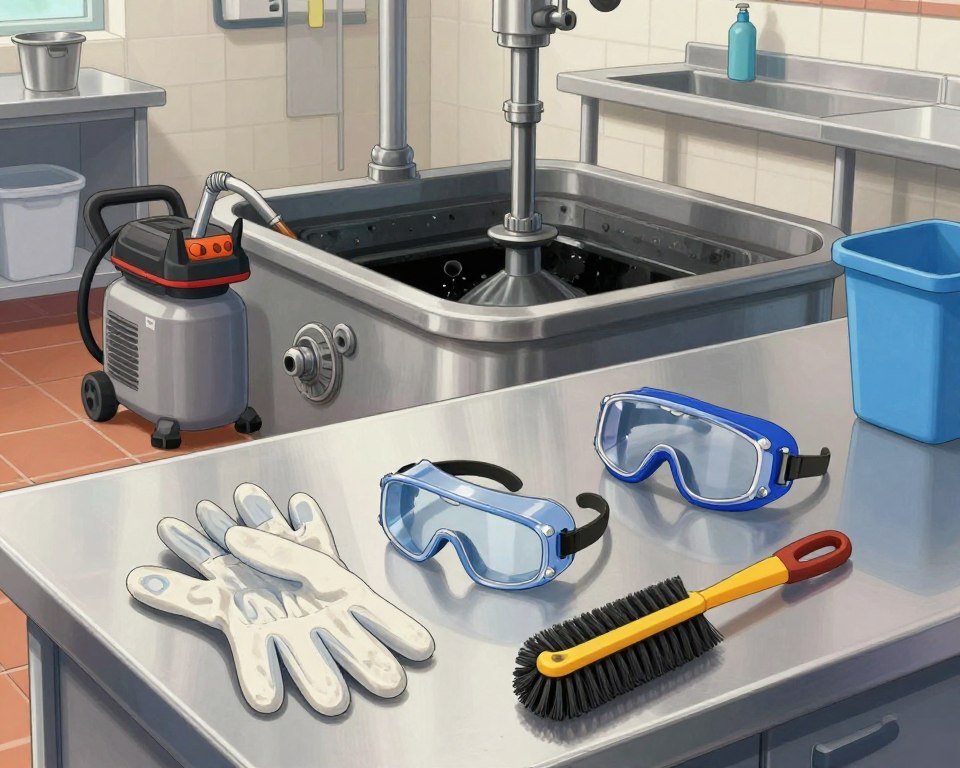
- Compact units under sink basins and by dishwashers.
- Bigger outdoor interceptor tanks for high-output kitchens.
We tailor each job by size and access. A compact indoor unit typically requires less on-site time and often needs simple access steps. A large outdoor tank often requires heavier equipment, higher pump-out volume, and careful coordination on site.
Work with a dependable provider to reduce unplanned shutdowns. Our technicians arrive within scheduled windows, follow professional work practices, and coordinate before, during, and after service so your team can plan around busy periods.
Effective grease control is important for brand reputation. Working with the right provider helps avoid smells, overflows, and expensive interruptions to everyday service.
How Grease Traps And Grease Interceptors Protect Your Kitchen And The Sewer System
When kitchen wastewater decelerates, grease compounds separate out and can be captured before they plug pipes. As hot water and wash water enter a unit, the velocity drops; lighter fats and oils rise while denser solids settle. The result is cleaner water that moves into the drain line.
What Separation Looks Like In Real Wastewater Flow
In day-to-day operation, a compact indoor grease trap traps lighter material by sinks. Bigger outdoor interceptors hold greater volumes and allow more time for settling and separation. Both devices reduce the FOG burden sent to public sewer mains.
Why Capacity And Installation Matter
Indoor traps are placed close to fixtures and process smaller volumes. Interceptor tanks are buried or curbside and support busy, high-output kitchens. Greater capacity usually means fewer service visits but needs regular scheduled servicing.
Operational, Environmental, And Compliance Effects
Poor maintenance often causes slow drains, blockages, and bad odors near prep areas. Scheduled service keeps systems running, cuts down emergency plumbing calls, and reduces the likelihood of FOG waste reaching stormwater drains or local waterways.
| Device | Typical Location | Maintenance Frequency |
|---|---|---|
| Small indoor unit | Under sink / near dishwasher | More frequent (monthly to quarterly) |
| Outdoor interceptor | Underground or yard | Scheduled (quarterly to annual) |
| Municipal main protection | City sewer lines | Depends on load; routine removal prevents blockages |
Grease Trap Cleaning & Pumping
Grease Cleaning Pros handles full-service visits that clear buildup, protect your plumbing, and deliver inspection-ready documentation. Our crew aims to minimize downtime and keep facilities running smoothly.
What’s Included In A Professional Visit
A typical Grease Cleaning Pros service follows a simple, consistent sequence:
- Locate and access the unit, ensuring safe entry and traffic control.
- Measure and assess contents to plan removal volume and methods.
- Pump out liquids and solids using certified equipment.
- Thoroughly clean the interior—scrape adhered material and clear baffles where allowed.
Why Professional Cleaning Goes Beyond Pumping
Proper service includes scraping residue, clearing flow areas, and checking the separation is working correctly. This restores the unit so it separates out fats and solids properly after the appointment.
Waste Handling, Documentation, And Scheduling
Removed waste is sealed and moved under environmental rules to licensed facilities. Grease Cleaning Pros supplies documentation with service dates, volumes, and notes on condition for inspections.
We provide off-hours appointments to reduce odor and disruption during peak periods. The same steps apply from small indoor units to large interceptor tanks with proper equipment and advance planning.
| Service Element | Benefit | Compliance Value |
|---|---|---|
| Full removal & interior care | Fewer backups and slow drains | Meets operational standards |
| Responsible waste disposal | Reduced environmental risk | Supports reporting requirements |
| Inspection paperwork | Proof of service for audits | Clear records for regulators |
Maintenance Scheduling, Preventative Service, And Compliance Support
A preventative approach prevents problems before they affect your dining room or back of house. Grease Cleaning Pros supports businesses to set realistic schedules that fit output, menu, and equipment mix.
Understanding the 26% FOG rule
Why The 27% Threshold Matters
When fats, oils, grease, and solids take up about roughly a quarter of a device’s effective volume, separation becomes less efficient and the chance of backups goes up. San Diego and similar ordinances often require food and beverage establishments to keep contents below this level to safeguard the sewer system and plumbing lines.
How The Rule Guides Service Frequency
Service scheduling should be based on actual wastewater volume, not just a calendar date. Busy kitchens or grease-heavy menus need shorter intervals between visits. Grease Cleaning Pros reviews fixture totals, menu makeup, and daily throughput to recommend visits that keep devices under the 30% mark.
Typical Cadence And Preventative Plans
Small indoor grease traps typically need service every month. Bigger outdoor interceptor tanks often require quarterly visits or as needed to stay under the 20% threshold.
| Device | Typical Cadence | When to shorten interval |
|---|---|---|
| Small indoor grease trap | Monthly | Busy shifts, oil-heavy menus |
| Outdoor grease interceptor | Quarterly | Peak seasons, added equipment |
| Custom plan | Recurring/automatic | Repeated slow drains or citations |
Compliance, Flexibility, And Triggers To Adjust
Grease Cleaning Pros supplies inspection-ready records, waste manifests, and service log entries to help businesses meet local codes. We provide off-hours service and automatic recurring service to minimize disruption during the day.
Update intervals for seasonal spikes, menu updates that increase oil use, new cooking equipment, or any sign of slow lines. Preventative service reduces the likelihood of citations, costly cleanup, and urgent plumbing problems.
Conclusion
A steady maintenance plan keeps kitchens running and prevents costly plumbing interruptions. Consistent service reduces accumulation, keeps odors down, and helps avoid emergency repairs that disrupt restaurant operations and other food-service businesses.
Grease Cleaning Pros takes care of the full job — service visits include pump-out, inside cleaning, proper waste disposal, and records for inspection review. A well-maintained grease trap and grease interceptor perform consistently; a poorly maintained unit can invite blockages and extra expense.
Book regular visits or set up a recurring plan to keep systems under regulatory limits and protect your sewer lines. Call Grease Cleaning Pros for a service quote or to schedule ongoing servicing for your location.